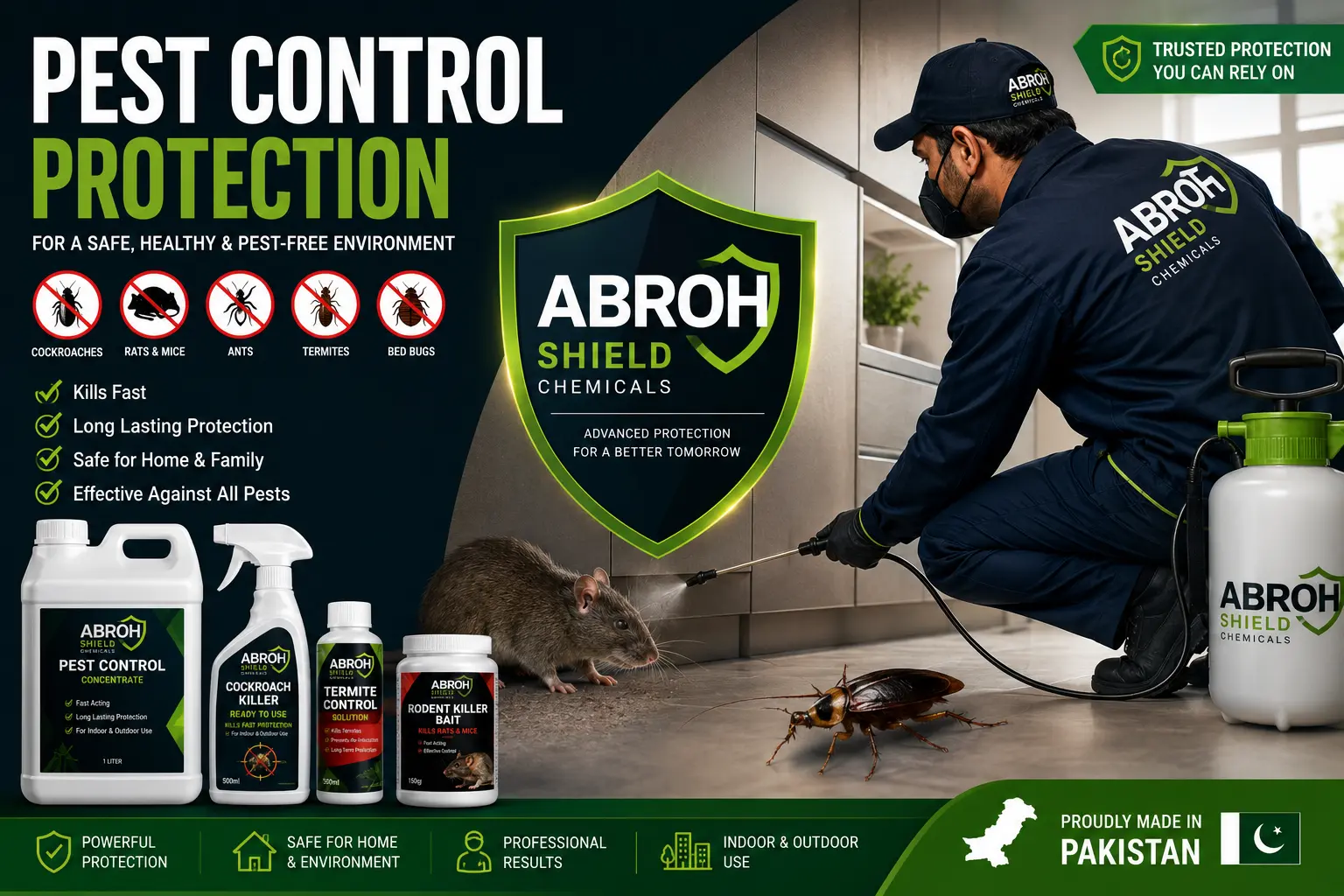
tWelcome to our guide on Pest Control Chemicals . If you own a home or manage a business, preserving a clean and safe environment is important. However, in the best-kept spaces, some guests can show up. From the annoying buzz of mosquitoes on a summer night to the damage caused by termites, pests can be more than just annoying. They can transmit diseases, harm your health, and cause significant damage to both residential and commercial properties.
The main objective of this article is to provide to-read understanding. The main objective of this article is to provide a to-read understanding. We will cover traits of pest management from identifying common infestations to implementing safer, effective and eco-friendly treatment methods. We will cover traits of pest management from identifying common infestations to implementing safer, effective and eco-friendly treatment methods.
What is Integrated Pest Control (IPC) for Pest Control?
To really get Pest Control Chemicals, we need to know about the way effective things work before we look at the different kinds of pests. The modern way is called Integrated Pest Management, or IPM, which is what they actually call it. It is all about stopping pests from being a problem for a long time. So instead of just using chemicals every time we see a pest, Integrated Pest Management uses a lot of different methods to deal with the problem.
The Six Steps of IPM, especially for Pest Control:
- Inspection: Regularly check your property for signs of pests.
- Identification: Correctly identify the pest involved. This is crucial, as different pests need different treatments.
- Monitoring: Track pest populations to know when to take action.
- Prevention: Use cleanliness and structural repairs to keep pests from entering and finding food or water.
- Control: Use suitable management methods—like traps, baits, or pesticides—if pest populations become problematic.
- Evaluation: Review the success of your efforts and make adjustments as needed.
By using an IPC approach you can control pests better. Reduce dangers for you, your family, and the world around you. This method helps you deal with pests in a way. It keeps everyone safer. It also keeps the environment safe.
Identifying Your Unwanted Guests: Common Home Pests
The first step in any pest control plan is identifying the pests. Here are some of the most common household pests you might encounter:
1. The Pervasive Cockroach
Cockroaches are among the toughest pests on the planet. Besides being unsettling, they pose a significant health risk. Cockroaches can carry bacteria, germs, and allergens that can contaminate food and kitchen surfaces, leading to allergies and worse asthma.
Signs of Infestation: When you are looking for roaches, you should check for roaches or dead roaches, especially at night. You should also look for pepper-like droppings and a musty smell. Do not forget to check for small brown oval eggs.
Favorite Hiding Spots: You can find roaches under sinks, behind things like refrigerators and stoves, in drawers, and inside the walls where it is hard to see.
2. Ants: The Persistent Invaders
Ants work in well-organized colonies. When one ant finds food, it leaves a pheromone trail for others in its colony to follow. This is why you rarely see one ant.
Common Types: Nuisance ants like house ants are mainly annoying while carpenter ants damage wood in your home.
Signs of Infestation: You might notice lines of ants on counters, floors, or near food spills. If you have carpenter ants, you could also see piles of sawdust.
3. Rodents: Mice and Rats
Having a problem is a serious concern. Mice and rats can squeeze through openings. A mouse can fit through a hole the size of a coin. They cause destruction by chewing through insulation. Those chew through walls. They also chew through wiring. Chewing through wiring creates a fire risk. Rodents also carry diseases. They carry hantavirus. They carry salmonellosis. and hey carry rat-bite fever.
Signs of Infestation: When you are trying to find out if you have mice in your house, you should check for mouse droppings. You can usually find these droppings in the kitchen or near food.
You should also look for mouse teeth marks on food packaging or on baseboards. Sometimes mice even chew on wires.
You should also listen carefully for scratching sounds that mice make. These sounds usually come from inside the walls or from under the roof.
All of these things are signs of mice. Mice can cause a lot of problems. So you need to look for mouse droppings and mouse teeth marks to know if you have mice in your house. You have to check for these things to be sure if you have mice.
4. Termites: The Silent Destroyers
Termites are a problem that we can’t ignore. They eat cellulose, which is mostly in wood. A termite group can work quietly. Keep going for many years before we even know there is a problem. When we do find the damage, fixing it can cost a lot of money.
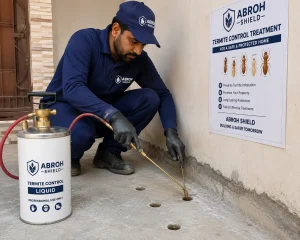
To learn more about this problem, you should check our main guide on pest control. We also have a guide on termite control. It is also very important to understand how termites can get around things that are meant to stop them. A lot of people think that concrete will keep termites out. That is not true. Termites can still cause problems even when there is concrete. You need to know about termite control to deal with these pests. A specialized treatment known as Termite Treatment in concrete areas” is often necessary to seal hidden access routes and truly protect a structure’s foundation.
When to DIY vs. When to Call a Pest Control Professional
You can handle a lot of Pest Control Chemicals by keeping your home clean and taking care of issues right away. Pest problems like these are pretty easy to deal with. Sometimes you have to call in the professionals, like licensed pest control experts, to take care of pest problems that are too big to handle on your own. They know what to do with pest problems.
The DIY Checklist: When and How to Handle it Yourself
You can fix some problems for Pest Control Chemicals on your own. This works pretty well for small problems that happen early on, like when you have ants or you see a cockroach sometimes.
Sanitation is key: Pests need food, water, and shelter. Clean up spills right away, store food (including pet food) in airtight containers, secure your trash, and fix plumbing leaks.
Seal Entry Points: Check your home’s exteriors for cracks, gaps, and holes. Use caulk to close openings near windows, doors, pipes, and cables. Make sure your window screens have no holes and that the seals on your doors are still in shape. Check your home’s exteriors for cracks, gaps, and holes again. Use caulk to close openings near windows, doors, pipes, and cables. Make sure your window screens have no holes again and that the seals on your doors are still in shape again.
Safe and Proper Tool Use: Keep your home free of pests by closing off places they can get in. Fix any holes in window screens and put door sweeps on the bottom of doors to stop them from coming in. When you use traps or bait, always read the instructions from the company that made them. Put the traps in places that are not easy to see, like behind the fridge or in cabinets that are locked.
When to Call in the Experts for Pest Control
Don’t wait for a small problem to increase. Professional pest control is your best option for:
Severe Infestations: If you are consistently seeing large numbers of pests like cockroaches, ants, or bed bugs.
Wood-Destroying Pests: Termites or carpenter ants require specialized knowledge and strong products for effective removal.
Biting or Stinging Insects: Dealing with bed bugs, fleas, ticks, wasps, or bees often calls for expert help to ensure safety and complete removal.
Rodent Management: Removing mice or rats without harming them is tough, and their mess can spread harmful germs. Given these health risks, it’s usually best to hire a professional cleaning service or pest expert to handle the job safely.
The problem is persistent: If you try to fix the problem yourself and the pests just keep coming that is a pretty good sign that you need to get a professional to help you with the pests. You need someone who really knows what they are doing to deal with the pests.
Selecting the Right Pest Control Service
When you need to pick a pest control company, it is a decision that affects your property and your safety and your finances. You should not just choose the company that charges the amount of money. Here is how you can make a decision when it comes to choosing a pest control company.
Check Licensing and Certification
This is really important. Any good pest control expert must have a state license to use pesticides. You should ask to see the license. The license shows that the pest control expert has had the training to use pest control tools and materials in a safe and legal way. The pest control expert needs to have this license to do the job correctly. You need to make sure the pest control expert has a state license for pest control.
Confirm Insurance
The company should have insurance that covers everything, including if someone gets hurt and if they break something at your house. This is important because it keeps you safe in case something bad happens when they are working at your home or if they damage your house when they are doing the treatment. The company needs to have insurance for accidents and for the people who work for them.
Seek Experience and a Proven Track Record
Ask how long the company has been operating. The company has been operating for an amount of time. Experienced technicians often have handled infestations. Experienced technicians often have handled infestations. They are better at identifying the root of your problem. They are better at identifying the root of your problem. Look for reviews on platforms like Google. Look for reviews on platforms like Yelp. Watch for feedback about their thoroughness. You can watch for feedback about their reliability. Watch for feedback about their quality of customer service. Watch for feedback about their quality of customer service.
Prioritize Integrated Pest Management (IPC) and Safety
Choose a company that prioritizes integrated pest management. Technicians should clean and seal entry points to prevent pests before using any chemicals.
Request a Detailed Estimate and Inspection
You should get an estimate in writing when you hire a professional service. If the problem is complicated, they need to take a look at your property first. Then they can give you a price. The estimate should tell you about the following things:
- The results of their inspection.
- The type of pest they have found.
- The recommended treatment plan (number of visits, methods used).
- Any structural fixes they suggest to prevent re-infestation.
- A clear breakdown of all costs.
Conclusion: Partnering for a Healthy Environment
Your home is where your family should be able to unwind and feel safe. You want your home to be clean and peaceful. Your family needs a place like that. To keep pests out of your home, you need to know what to look for when there is a problem. Then you can use plans to fix the problems. If you do these things, you will be in charge of your home. It will be safe and clean for your family. Your home will be a place for your family to relax.
Remember, good Pest Control Chemicals is often a teamwork effort. To keep your home safe and healthy, clean on a regular basis and fix small problems quickly. If you see pests, call a professional away. This easy plan keeps your family’s health protected. Helps you save money on expensive repairs.